
What Are the Most Common Allergies in Labradoodles and How Do I Treat Them?
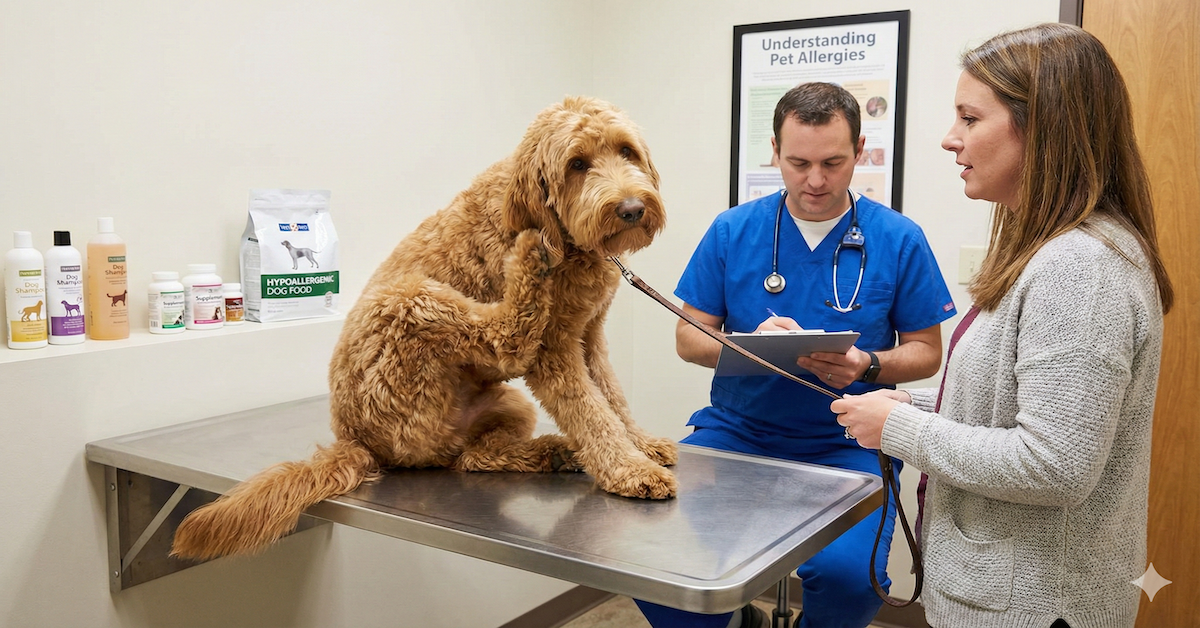
Labradoodles are known for their friendly temperament, intelligence, and low shedding coats. Even though many people consider them easier on allergies compared to other breeds, Labradoodles themselves can struggle with allergies. Their skin can be sensitive, their digestive systems can react to certain foods, and environmental triggers may affect them more than expected. When allergies appear, they often show up as itching, irritated skin, or digestive discomfort, which can affect your dog’s happiness and overall well being.
Understanding the most common allergies in Labradoodles helps owners take quick action. Early treatment prevents small issues from becoming chronic problems. Just like people, Labradoodles respond best when allergies are identified and managed with a tailored plan that supports their skin, coat, and health.
Quick answer: The most common allergies in Labradoodles include food allergies, environmental allergies, flea allergies, and contact allergies. Treatment usually involves identifying the allergen, adjusting the dog’s diet, improving grooming habits, using medicated products, and working with a veterinarian for long term management.
Why Labradoodles Are Prone to Allergies
Labradoodles inherit traits from both Poodles and Labrador Retrievers. Both breeds have higher tendencies toward skin sensitivities, ear infections, and digestive reactions. Even though Labradoodles are bred for their coat qualities, their genetics can still make them more susceptible to allergies than expected.
Another reason is their coat type. The wavy or curly coat holds onto pollen, dust, and environmental particles more easily, which can irritate sensitive skin if not managed well.
Common Types of Allergies in Labradoodles
Labradoodles experience several categories of allergies. Knowing the differences helps you recognize symptoms early and take the right steps to support your dog.
Food Allergies
Food allergies are one of the most frequent issues in Labradoodles. These allergies often develop from sensitivity to common proteins or ingredients. Chicken, beef, dairy, eggs, soy, and grains are among the most common triggers.
Food allergies can cause itchy skin, digestive upset, chronic ear infections, or constant licking. The symptoms may come and go, making it difficult to pinpoint the cause without a structured approach.
Environmental Allergies
Environmental allergies can come from pollen, dust mites, mold, and grass. These allergens affect Labradoodles through contact or inhalation. Seasonal allergies often appear in spring and fall, but indoor allergens can affect dogs year round.
Environmental allergies usually show up as itchy skin, watery eyes, sneezing, or irritated paws.
Flea Allergy Dermatitis
Some Labradoodles develop an allergic reaction to flea saliva. With flea allergy dermatitis, even a single flea bite can cause intense itching, redness, and hair loss. Without treatment, the irritation can lead to open sores or infection.
Monthly flea prevention is essential for controlling this condition.
Contact Allergies
Contact allergies occur when something touches your dog’s skin and causes irritation. This can come from cleaning products, floor sprays, lawn treatments, shampoos, certain fabrics, or even new bedding.
These allergies usually appear in specific spots, such as the belly, paws, or chest.
Symptoms to Watch For
Allergies can look different from one Labradoodle to another. Early detection often comes from watching for small changes in behavior or appearance.
Common symptoms include itching, paw licking, chewing, red patches, dry skin, hot spots, head shaking, or recurring ear infections. Digestive issues like loose stool or vomiting may also suggest a food trigger.
If your Labradoodle shows symptoms for more than a few days, or if the symptoms worsen, it is helpful to start investigating the cause.
How to Diagnose Allergies
Diagnosing allergies can take time because dogs may react to multiple triggers. A clear plan helps narrow down the cause.
Elimination Diet
An elimination diet removes all potential food allergens and introduces a simple, limited ingredient protein source. If symptoms improve and then reappear when old foods are added back, a food allergy is confirmed.
This method is one of the most reliable ways to diagnose food issues.
Veterinary Testing
Veterinarians can perform blood tests or intradermal tests to identify environmental allergens. These results help guide treatment plans, especially for dogs with year round symptoms.
Rule Out Other Conditions
Before diagnosing allergies, vets often check for infections, parasites, or underlying issues that may look similar. This helps ensure the treatment plan is accurate.
Effective Treatment Options
Treating allergies in Labradoodles often requires a combination of strategies. No single treatment works for every dog, so a layered approach gives the best results.
Diet Changes
If food allergies are suspected, switching to hypoallergenic or limited ingredient diets can make a big difference. Over time, identifying safe proteins and carbohydrates helps reduce inflammation and improves overall health.
Medicated Shampoos
Medicated or hypoallergenic shampoos help soothe irritated skin, remove allergens trapped in the coat, and support healing. Regular baths help reduce flare ups and keep the skin barrier strong.
Anti Itch Medications
A vet may recommend anti itch medications to calm the skin while other treatments take effect. These medications provide relief and prevent your Labradoodle from scratching or causing further irritation.
Supplements for Skin and Coat Health
Omega 3 supplements help reduce inflammation and strengthen the skin barrier. Probiotics support healthy digestion and immune function. These additions work well with diet and grooming routines.
Flea Prevention
Flea prevention is essential for all Labradoodles, especially those prone to flea allergy dermatitis. Monthly treatments help prevent reactions and protect the skin.
Long Term Prevention Tips
Managing allergies is an ongoing process. Consistent care helps reduce flare ups and keeps your Labradoodle comfortable.
Grooming is one of the most effective ways to prevent irritation. Regular brushing removes trapped allergens and dirt from the coat. Bathing your Labradoodle with gentle products helps maintain a clean, healthy skin barrier.
Keeping your home clean is another important step. Frequent vacuuming, using air purifiers, and washing bedding help reduce pollen and dust exposure.
Supporting hydration, providing balanced nutrition, and maintaining routine vet visits all help protect your Labradoodle from ongoing allergy challenges.
Conclusion
Allergies are common in Labradoodles, but with the right care, they are manageable. By identifying your dog’s triggers, adjusting their diet, maintaining good grooming habits, and working with your vet, you can help your Labradoodle live comfortably and stay active. Early attention to symptoms prevents long term discomfort and gives your dog the relief they deserve.
All About The Doodles is here to help Labradoodle owners understand their dogs better and provide guidance on health, training, and everyday care. With the right support, your Labradoodle can live a happy, allergy managed life.