
How Often Should a Labradoodle Be Professionally Groomed?
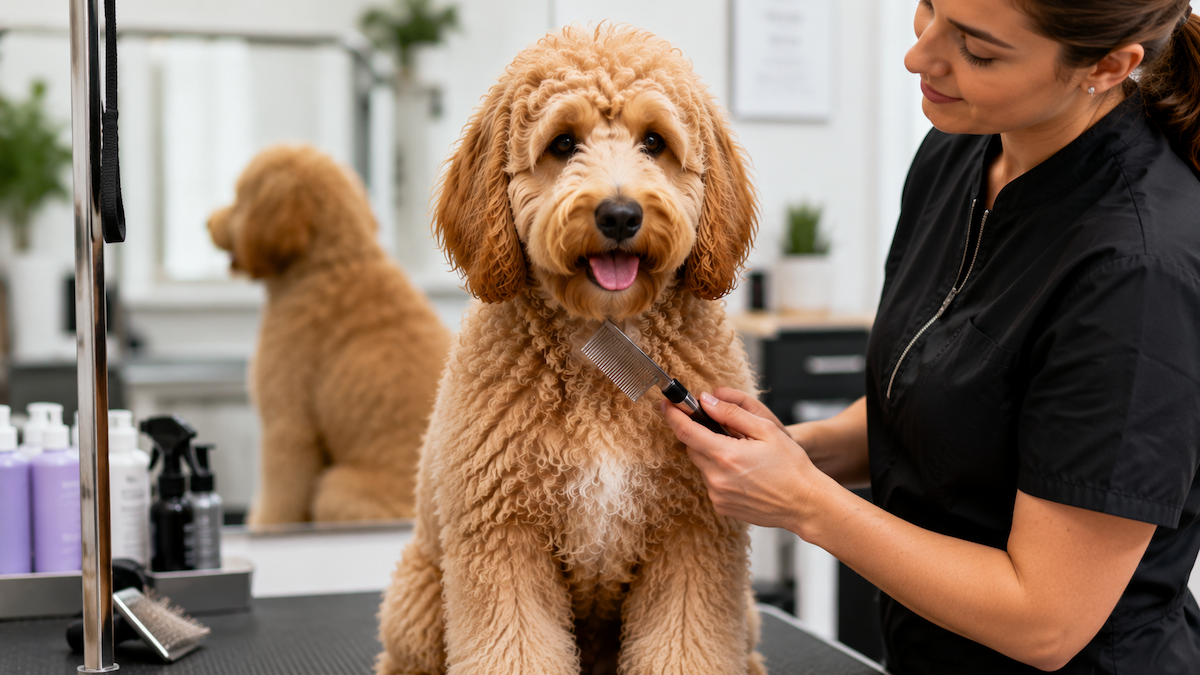
Labradoodle coats are one of the most talked-about features of the breed, and for good reason. They can be gorgeous, soft, and low-shedding when properly maintained, and matted, uncomfortable, and visually unkempt when they are not. The Labradoodle's coat does not maintain itself, and professional grooming is a recurring commitment that comes with the territory of owning this breed. Knowing how often to book an appointment is the starting point for everything else.
The answer is not the same for every Labradoodle. Coat type, lifestyle, how much brushing is done at home, and the length the owner prefers to keep the coat all affect how frequently professional grooming is needed. Getting this frequency wrong in either direction has consequences: too infrequent and the coat mats; too frequent for a coat that is not growing quickly can be an unnecessary expense.
Quick Answer: Most Labradoodles with wavy or curly coats should be professionally groomed every 6 to 12 weeks. Tighter, curlier coats and coats kept at longer lengths need more frequent appointments, typically every 6 to 8 weeks. Wavier coats kept shorter can sometimes go to 10 to 12 weeks. Daily or near-daily brushing at home is essential between appointments to prevent matting regardless of the interval chosen.
Why Coat Type Changes the Frequency
The curlier the coat, the faster it mats. Tight curls trap debris and tangle easily, particularly in high-friction areas like behind the ears, under the collar, under the armpits, and around the groin. A Labradoodle with a tight Poodle-type coat that goes eight weeks between grooming appointments and is brushed only occasionally will almost certainly have significant matting that the groomer will need to work around or remove by clipping close to the skin.
A wavier coat with less tight curl structure is more forgiving. It still needs regular brushing, but the rate at which it tangles and mats is slower, which allows slightly longer intervals between professional appointments if the home brushing routine is consistent. The trade-off is that wavy coats often shed more, which the brushing routine also manages.
Understanding the coat changes as the Labradoodle matures is relevant here: many Labradoodles go through a coat transition between six and twelve months of age when the softer puppy coat is replaced by the adult coat, which is typically denser and more prone to matting than the puppy coat.
What Happens at a Professional Grooming Appointment
A full professional grooming appointment for a Labradoodle typically includes a bath and blow-dry, a full trim or style cut to the owner's preferred length, nail trimming, ear cleaning, and in some cases anal gland expression. The bath is important not just for cleanliness but because a clean, detangled coat is significantly easier to cut evenly and inspect for skin issues.
The cut style significantly affects how often subsequent appointments are needed. A shorter trim, typically called a puppy cut or teddy bear cut, requires less maintenance between appointments because there is simply less coat to matt or tangle. A longer style, left at three to four inches or more, is more visually impressive but requires a more rigorous brushing routine and more frequent professional visits to stay in good condition.
The Puppy Coat Transition and First Grooming
Many breeders recommend the first professional grooming appointment between twelve and sixteen weeks, initially just for a bath and familiarisation rather than a full cut. Getting a puppy comfortable with the grooming environment, the sound and vibration of clippers, and the handling involved in a grooming session before the first real cut makes the entire experience less stressful for both the dog and the groomer.
The adult coat typically comes in between six and twelve months of age, and this is when many owners notice that brushing suddenly needs to become more frequent and more thorough. Regular grooming at home between professional appointments through the coat transition prevents the worst of the matting that this period can otherwise produce.
Home Brushing: The Essential Complement
Professional grooming is only effective over the long term if it is complemented by regular home brushing. A Labradoodle that is not brushed between appointments will arrive at the groomer in worse condition with each visit, and at some point the matting will be severe enough that a comfort clip, shaving close to the skin rather than the preferred style cut, is the only humane option.
The brushing technique matters as much as the frequency. Line brushing, which involves parting the coat in sections and brushing through from the skin outward rather than just over the surface, is the method that actually reaches the tangles at the base of the coat where matting starts. Surface brushing looks effective but misses the early-stage tangles that become mats without intervention.
Focus particularly on the areas that matt fastest: behind the ears, around the collar, in the armpits, behind the knees, and anywhere the coat experiences friction from the dog's movement. These areas need attention every day or every other day even if the rest of the coat is brushed less frequently.
Seasonal Considerations
Some Labradoodles shed more heavily in spring and autumn as seasonal coat changes occur. During these periods, the increased dead coat in the undercoat dramatically accelerates matting in the outer layers if it is not brushed out regularly. Booking a grooming appointment at the peak of a seasonal shed ensures the groomer can address the undercoat properly and set the coat up for easier maintenance over the following weeks.
Labradoodles who swim frequently also need more frequent grooming, because swimming speeds up matting significantly. Wet coat that is not brushed out thoroughly after swimming will matt within days in a curly coat. If your Labradoodle is a regular swimmer, factoring this into the grooming schedule avoids the situation of arriving at the groomer with a coat that needs an hour of detangling before anything else can happen.
Signs That Grooming Is Overdue
Visible matting, tangles that do not brush out easily, coat that feels thick and dense and resists the brush, and a dog that is scratching or biting at specific areas are all signs that the coat has gone too long between proper attention. A Labradoodle that shakes its head frequently or shows signs of discomfort around the ear area may have matting inside the ear flap that is pulling uncomfortably.
Supporting skin health as part of the overall coat care routine helps distinguish between skin irritation caused by a coat issue and skin irritation from an allergy or other dermatological concern.
If the skin beneath the coat appears inflamed, red, or has an unusual odour after a grooming session, if the skin appears inflamed a veterinary check is worthwhile to rule out a skin infection that the dense coat may have been concealing.
Frequently Asked Questions
How much does professional Labradoodle grooming typically cost?
Professional Labradoodle grooming costs vary by location, coat condition, and the length of coat being maintained. Standard appointments typically run from $70 to $150 in most US markets, with additional cost for de-matting if the coat has been neglected between visits. Keeping the coat well-brushed between appointments is the most effective way to manage grooming costs.
Can I groom my Labradoodle at home instead of using a professional?
Many owners groom their Labradoodles at home, though the learning curve for achieving an even, well-structured cut is significant. Home grooming requires quality clippers, scissors, and brushes. Professional grooming every few months combined with thorough home brushing between appointments is the approach most commonly recommended for owners who are not experienced groomers.
What cut is best for a Labradoodle?
The most popular cuts for Labradoodles are the puppy cut (uniform short length all over), the teddy bear cut (slightly longer with rounded features, particularly around the face), and the lamb cut (short on the body with slightly longer leg fur). The best cut depends on personal preference and how much maintenance the owner is prepared to commit to between appointments.
Do Labradoodles need their ears cleaned regularly?
Yes. Labradoodles are prone to ear infections partly because their floppy ears cover the ear canal and reduce airflow. Regular ear cleaning with a veterinarian-approved solution, and ensuring ears are dried thoroughly after bathing or swimming, significantly reduces infection frequency. Most groomers include ear cleaning as part of a standard appointment.
At what age should a Labradoodle puppy have its first professional groom?
Most breeders and groomers recommend a familiarisation visit between twelve and sixteen weeks, initially for bathing and handling without a full cut. The first proper trim is typically scheduled between four and six months, depending on how the coat is developing. Early positive experiences with professional grooming make the process easier throughout the dog's life.
The Bottom Line
Most Labradoodles need professional grooming every 6 to 12 weeks depending on coat type, preferred length, and the consistency of home brushing between appointments. The coat will not maintain itself, and establishing a regular schedule with a trusted groomer is one of the foundational commitments of Labradoodle ownership.
All About The Doodles covers Labradoodle coat care, grooming tips, and everything else that keeps this breed looking and feeling its best. Browse the articles section for practical guidance at every stage of your Labradoodle's life.