
Why Is My Labradoodle Vomiting or Having Digestive Issues?
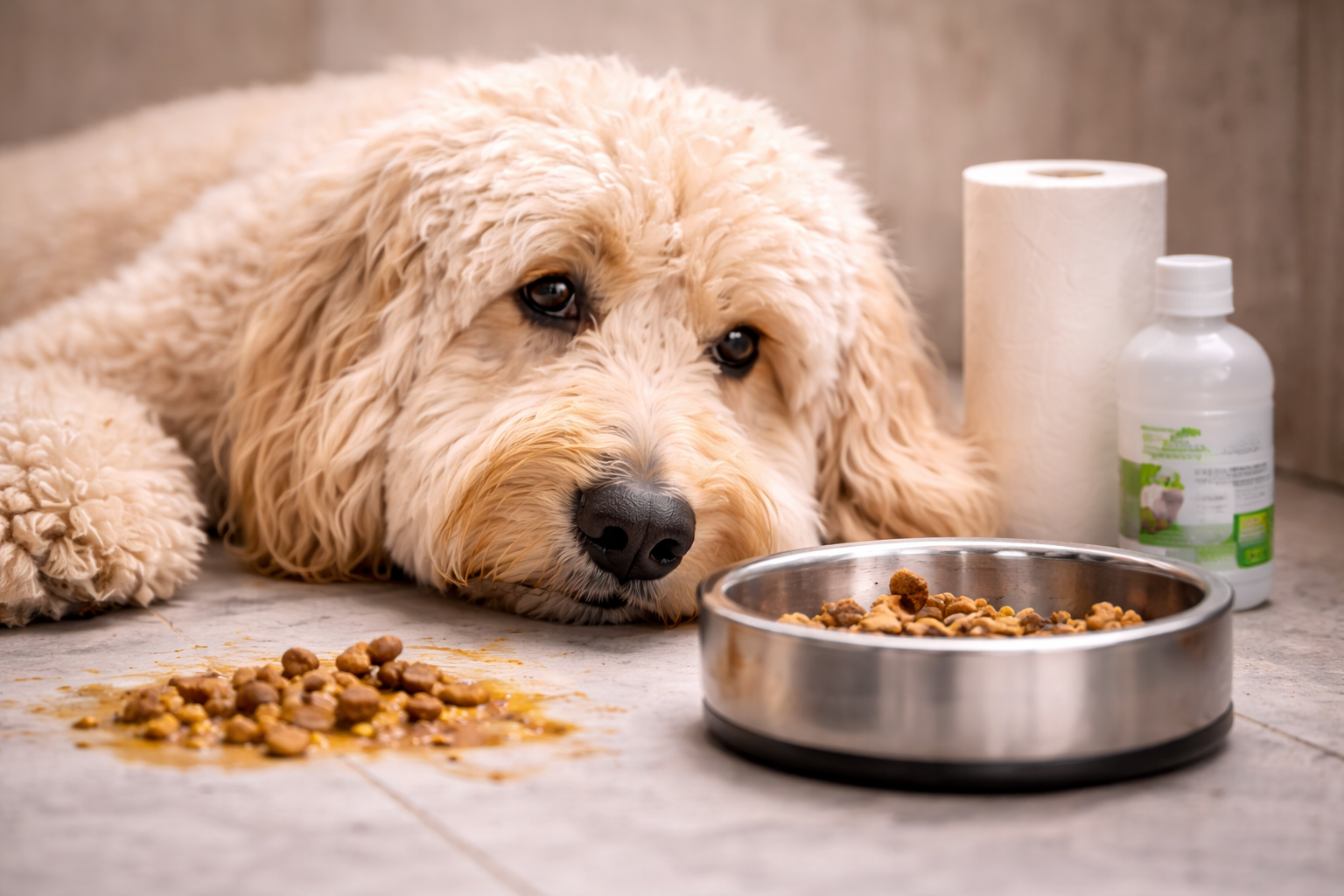
Few things are more worrying for a dog owner than watching their Labradoodle vomit or show signs of digestive discomfort. The stomach drop you feel seeing that happen, particularly if it is repeated or accompanied by other symptoms, is completely understandable. Labradoodles are generally robust dogs, but like all breeds, they are not immune to digestive troubles, and their curious, food-motivated nature means they sometimes get into things they should not.
The challenge is knowing when to manage a stomach upset at home and when it signals something that needs a vet's attention. A single episode of vomiting in an otherwise healthy, active dog is not usually cause for alarm. But certain patterns, frequencies, or accompanying symptoms change that picture quickly. Understanding the landscape of what causes digestive issues in Labradoodles helps you respond appropriately and confidently.
Quick Answer: The most common reasons a Labradoodle vomits or has digestive issues are eating something unsuitable, eating too quickly, a sudden change in diet, a food sensitivity, or a mild gastrointestinal infection. These typically resolve within 24 hours. Vomiting that is repeated, contains blood, is accompanied by bloating or lethargy, or persists beyond a day requires veterinary attention.
Common Causes of Vomiting in Labradoodles
Dietary indiscretion is the single most common cause of digestive upset in dogs. This is a polite term for eating something they should not have, whether that is rubbish, grass, another animal's food, or something picked up on a walk. Labradoodles are inquisitive and food-motivated, which makes this a particularly frequent occurrence in the breed.
Eating too quickly is another very common culprit. When a dog inhales their food without chewing, they also swallow a significant amount of air. The stomach responds by trying to expel the contents, leading to what is often described as regurgitation rather than true vomiting. The food comes back largely undigested and the dog is often happy to eat it again immediately, which is a reassuring sign that nothing serious is happening.
A sudden change in food, even switching to a higher quality diet, can cause significant digestive disruption. Always transition between foods gradually over seven to ten days. What to feed a dog with a delicate stomach is a helpful read if your Labradoodle regularly experiences digestive issues regardless of what triggers them.
Food Sensitivities and Intolerances
Some Labradoodles have genuine food sensitivities that cause chronic digestive issues rather than isolated incidents. Common culprits include certain proteins like chicken or beef, dairy, wheat, and artificial additives. A dog with a food sensitivity typically shows recurrent soft stools, frequent gas, occasional vomiting, and sometimes skin issues like itching or redness alongside the digestive symptoms.
Identifying a food sensitivity usually involves an elimination diet, which means feeding a novel protein source your dog has never eaten before for six to eight weeks and observing whether symptoms resolve. Understanding when your dog may benefit from a vet-recommended food covers the situations where a standard commercial diet may not be appropriate.
Foods That Should Never Enter the Picture
Some vomiting episodes are caused not by a sensitivity but by genuine toxicity. Several common household foods are harmful to dogs and can cause everything from digestive upset to serious illness. The list of foods that are forbidden for dogs is worth keeping bookmarked.
Grapes and raisins can cause kidney failure even in small amounts. Onions and garlic damage red blood cells. Xylitol, found in sugar-free products and some peanut butters, is extremely toxic. Macadamia nuts cause neurological symptoms. If you suspect your Labradoodle has eaten any of these, do not wait to see if symptoms develop. Contact your vet immediately.
When Vomiting Becomes a Warning Sign
Most single episodes of vomiting in an otherwise bright and active Labradoodle are not emergencies. A dog that vomits once, then acts completely normally, drinks water without vomiting it back up, and shows no other symptoms is almost certainly fine with a period of rest and a bland diet.
The situation changes when vomiting is frequent, forceful, or persistent across more than 24 hours. Projectile vomiting, blood in the vomit, a distended or painful abdomen, extreme lethargy, inability to keep water down, or vomiting alongside diarrhoea all signal that something more serious may be happening.
Bloat, also called gastric dilatation-volvulus, is a life-threatening emergency that can affect larger breeds. It involves the stomach filling with gas and potentially rotating, cutting off blood supply. Symptoms include a distended belly, unproductive retching, and extreme distress. This is always an emergency. Knowing when to call your vet helps you make confident decisions when symptoms appear.
Supporting Digestive Recovery at Home
For mild, non-emergency digestive upsets, a 12 to 24 hour fast followed by a bland diet is the standard approach. This gives the gastrointestinal tract a chance to settle without the additional demand of digesting a full meal. After fasting, reintroduce food in small, frequent portions.
Certain gentle foods are particularly good at soothing a troubled digestive system. Six foods that help settle a dog's tummy troubles covers the options most commonly recommended during recovery periods.
Plain boiled white rice, plain boiled chicken without skin or seasoning, and plain canned pumpkin are all well-tolerated options. Offer these in small amounts and ensure fresh water is always available. If your dog refuses water or cannot keep it down after multiple attempts, that is a signal to contact your vet rather than waiting.
Frequently Asked Questions
Q: Why does my Labradoodle eat grass and then vomit?
A: Grass eating followed by vomiting is common in dogs and is thought to be a way of self-medicating mild stomach discomfort. Occasional grass eating is generally not a concern, but if it becomes frequent or is consistently followed by vomiting, it is worth mentioning to your vet.
Q: Could my Labradoodle's vomiting be related to stress?
A: Yes, emotional stress and anxiety can trigger gastrointestinal symptoms including vomiting and diarrhoea in dogs. Changes to routine, loud events, separation, and new environments can all provoke digestive upset in sensitive individuals.
Q: Is it normal for puppies to vomit more than adult dogs?
A: Puppies have more sensitive digestive systems and are also more likely to eat things they should not. Occasional vomiting in puppies is not unusual, but any puppy that vomits repeatedly, shows lethargy, or has blood in the vomit should be seen by a vet promptly.
Q: How long should I wait before calling the vet about vomiting?
A: If your dog vomits once and then seems completely normal, monitor for 24 hours before calling. If vomiting recurs more than twice, if there is blood, if your dog is very lethargic or cannot keep water down, or if the abdomen looks swollen, call the vet immediately.
Q: Can probiotics help a Labradoodle with regular digestive issues?
A: There is growing evidence that canine probiotics can support gut health and reduce the frequency of digestive upsets in sensitive dogs. They are not a substitute for identifying and addressing the underlying cause, but many owners and vets find them a useful support alongside dietary management.
The Bottom Line
Vomiting and digestive issues in Labradoodles are common and usually resolve quickly with simple home management. The key is knowing the difference between a minor stomach upset and the symptoms that warrant urgent veterinary attention, and responding accordingly.
All About The Doodles has detailed, practical resources for Labradoodle owners covering health, nutrition, and day-to-day care. Explore the articles section for more guidance on keeping your dog healthy and happy at every stage of life.