
What Are the Safest Car Travel Tips for Labradoodles?
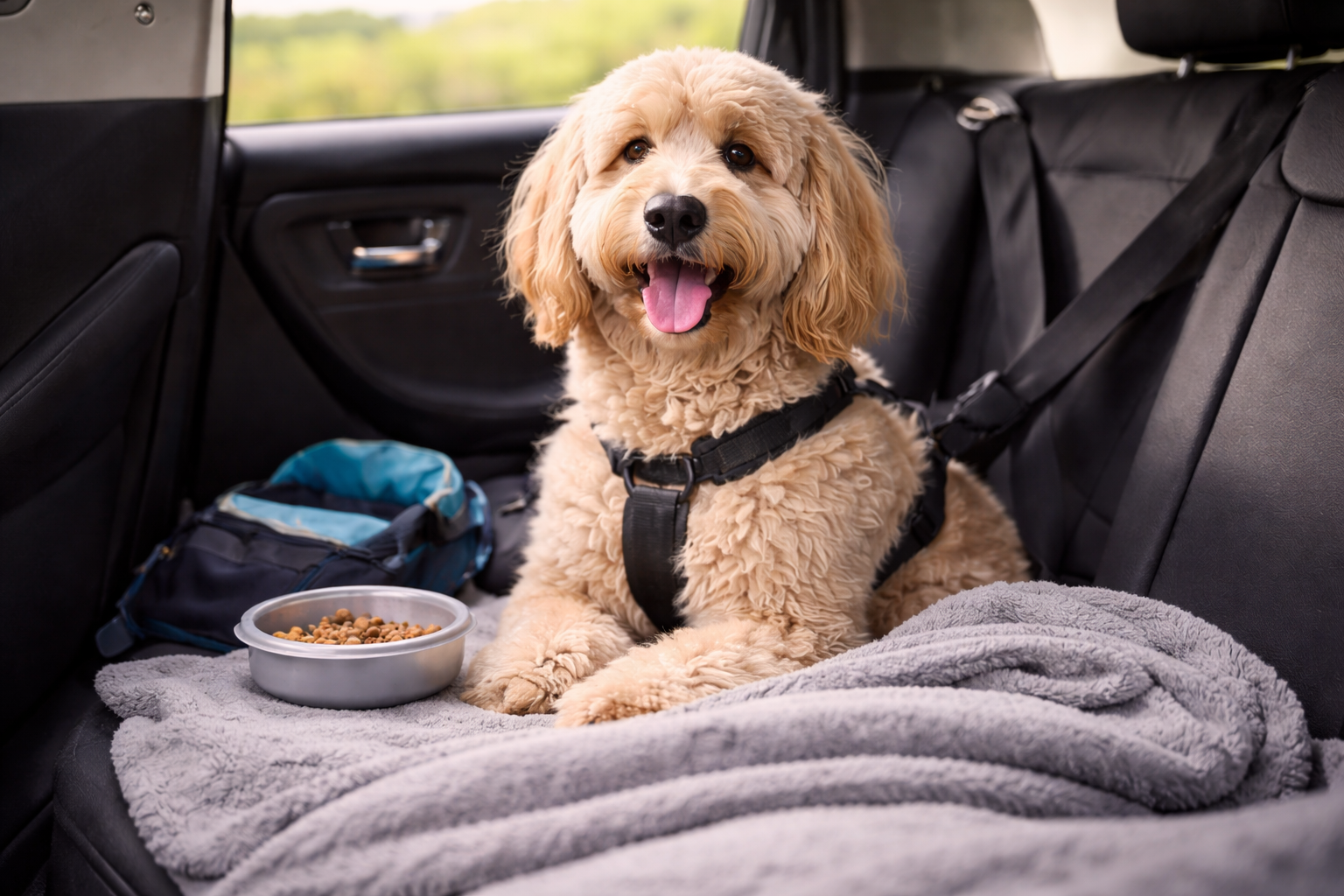
Labradoodles are enthusiastic travel companions by nature. Most love car rides, love the window down, and love the anticipation of wherever the journey might lead. But enthusiasm alone does not make a car ride safe, and the same energy that makes them delightful travel buddies can become a genuine hazard if it is not properly managed.
Whether you are heading across town to the vet or embarking on a cross-country road trip, the way you set up the car environment and prepare your dog makes a significant difference to both safety and comfort. A few straightforward measures can prevent accidents, reduce anxiety, and turn every car journey into a positive experience your Labradoodle actually looks forward to.
Quick Answer: The safest car travel setup for a Labradoodle includes a properly fitted safety harness or secured crate, never allowing the dog to ride unrestrained, keeping the car well-ventilated, and taking regular rest breaks on longer journeys. Dogs that travel anxiously benefit from gradual desensitisation to the car before longer trips, and never leaving your dog in a parked car unsupervised, especially in warmer weather.
Restraint Is Non-Negotiable
An unrestrained dog in a moving car is a hazard to every occupant of the vehicle. In the event of a sudden stop or collision, an unrestrained Labradoodle becomes a projectile. A 30kg dog travelling at 50km/h becomes a force that no seatbelt or airbag is designed to manage. Beyond the physics, an unrestrained dog can distract the driver, move suddenly into the driver's space, or escape through a window or door before anyone can react.
The two most reliable options are a crash-tested safety harness that attaches to the seatbelt buckle, or a secured travel crate bolted or strapped into the boot or cargo area. Tips for travelling by car with pets covers the key considerations in more detail and is worth reviewing before your next trip.
If you use a harness, make sure it is specifically rated for car safety. Not all dog harnesses are tested for crash protection; a walking harness used in a car provides minimal protection in a serious impact. Look for products with independent crash test certifications when making your choice.
Setting Up the Car for a Comfortable Journey
Beyond restraint, the physical setup of the car matters. Labradoodles are medium to large dogs with thick coats, which means they are more susceptible to overheating than breeds with lighter coats. Always ensure adequate airflow whether through air conditioning or carefully cracked windows where the dog cannot get their head out to a dangerous degree.
Temperature management is particularly important in warm months. The interior of a parked car can reach dangerous temperatures within minutes even on a mild day. Keeping your dog safe in the summer has practical guidance that applies directly to travel situations.
Place a familiar blanket or item of bedding in the travel space. The familiar scent gives your Labradoodle something grounding and helps reduce the novelty-induced excitement that can make restraint harder to maintain. A well-exercised dog also travels more calmly, so a solid walk before a longer journey is always a good idea.
Managing Car Anxiety and Motion Sickness
Not every Labradoodle is a natural traveller. Some develop anxiety around car rides, particularly if their early experiences were linked to vet visits or stressful events. Recognising the signs of anxiety in your dog helps you tell the difference between excitement, mild discomfort, and genuine anxiety that needs addressing.
For anxious travellers, the solution is gradual desensitisation rather than forcing them to endure long trips and hoping they get used to it. Start by simply sitting with your dog in the stationary car with the engine off. Progress to short drives around the block, then slightly longer journeys, always pairing the experience with calm praise and rewards. This process typically takes a few weeks but produces a genuinely relaxed traveller rather than one that merely tolerates the car.
Motion sickness is more common in puppies than adult dogs and often resolves as the vestibular system matures. Signs include excessive drooling, yawning, lethargy, or vomiting. Keeping the car cool, avoiding feeding a large meal before travel, and positioning the dog to face forward rather than sideways all help reduce motion sickness. If symptoms are persistent, a conversation with your vet about short-term options is worthwhile.
Tips for Longer Road Trips
A short trip to the park and a six-hour road trip require very different levels of preparation. For anything over a couple of hours, planning rest stops is essential. Labradoodles need to move, hydrate, and relieve themselves regularly. Most dogs do well with a proper stop every two to three hours. Veterinarian-approved tips for travelling with your dog includes useful guidance on longer journeys and what to bring.
Bring the following for any longer trip:
● Enough water from home, as unfamiliar water can sometimes cause stomach upset
● A collapsible travel bowl
● Your dog's regular food and treats
● A recent photo of your dog in case they get lost
● Any medications your dog takes, along with copies of vaccination records
Rest stops should happen on a lead in a safe, enclosed area. Never let your Labradoodle out of the car at a motorway service station or roadside without a secure lead, even if they normally have reliable recall. The noise and unfamiliar environment can override even a well-trained dog's response.
The First Trip With a New Dog
If your Labradoodle is newly adopted, the journey home is their first experience of your car and potentially one of the most disorienting of their early life. Driving your newly adopted dog home has specific guidance for this situation that is worth reading in advance.
For first trips, have a second person in the car to sit near the dog and provide calm reassurance. Keep the journey as quiet as possible. Avoid music at high volumes, unnecessary stops, or excited commentary. A calm arrival at home sets the tone for the first days, and a calm car journey is the first step in that sequence.
Frequently Asked Questions
Q: Is it safe for my Labradoodle to put their head out the window?
A: It is not recommended. While dogs obviously enjoy it, debris, insects, and wind can cause eye injuries. At higher speeds the risk increases significantly. A window cracked to allow airflow without full exposure is a much safer option.
Q: Should my Labradoodle travel in the front or back seat?
A: The back seat or cargo area is safer. Airbags in the front seat are designed for adult humans and can cause injury to dogs even in minor collisions. The boot with a secured crate or a back seat with a safety harness are the two best options.
Q: How long can a Labradoodle stay in a car?
A: With rest stops every two to three hours for water, movement, and bathroom breaks, most adult Labradoodles handle long journeys well. Puppies, elderly dogs, and dogs with health conditions have lower tolerance and may need more frequent stops.
Q: My Labradoodle drools excessively in the car. Is this normal?
A: Excessive drooling is a common sign of motion sickness or mild anxiety. Try shorter trips, a forward-facing position, and keeping the car cool. If it continues across multiple trips, speak to your vet about whether any additional support is appropriate.
Q: Can I leave my Labradoodle in the car while I run a quick errand?
A: In mild to cool weather for very brief periods it may be acceptable, but it carries risk. Cars heat up far faster than most people expect, and a dog left alone can also become distressed. As a general rule, if you are not confident about the conditions and timing, bring your dog with you or leave them at home.
The Bottom Line
Safe car travel for a Labradoodle comes down to a few core principles: proper restraint every time, good preparation before longer journeys, and awareness of how your individual dog responds to travel. Getting those foundations right makes the experience enjoyable rather than stressful for everyone in the vehicle.
All About The Doodles has a wealth of practical guides for Labradoodle owners navigating every aspect of life with their dog. Head over to the articles section to find more tips on travel, training, health, and everything in between.