
How Do I Help My Labradoodle Overcome Fear and Reactivity?
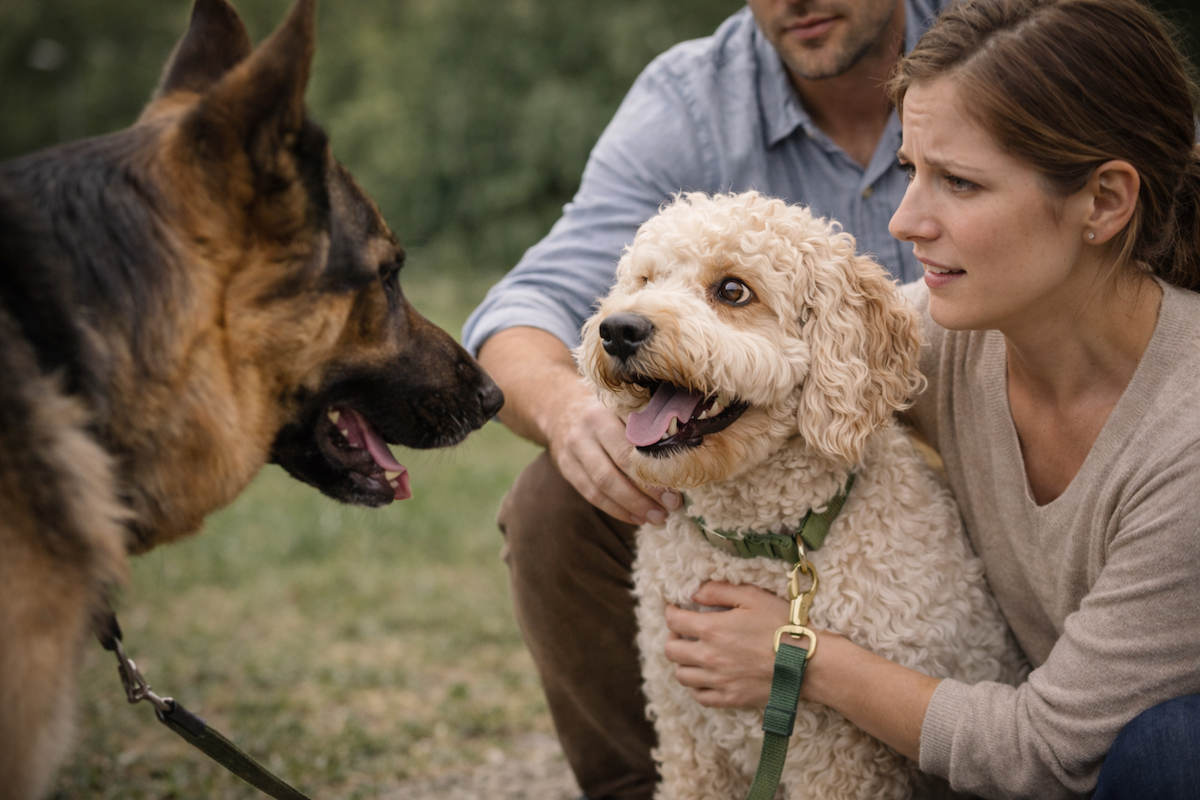
Labradoodles are usually known for their friendly personalities and playful energy. They tend to enjoy meeting people, exploring new places, and interacting with other dogs. However, some Labradoodles may develop fear or reactive behaviors that make everyday situations stressful for both the dog and the owner. Reactivity can show up as barking, lunging, growling, or sudden nervous behavior when encountering certain triggers.
Fear and reactivity can develop for several reasons. Some dogs may have had limited socialization during puppyhood, while others may have had negative experiences that caused them to associate certain people, animals, or environments with danger. Even naturally confident dogs can become reactive if they feel overwhelmed or uncertain about a situation.
Quick Answer: To help a Labradoodle overcome fear and reactivity, focus on gradual exposure to triggers, positive reinforcement training, confidence building activities, and consistent routines. With patience and proper guidance, most Labradoodles can learn to feel calmer and more comfortable in situations that once caused fear.
Understanding Fear and Reactivity in Labradoodles
Fear and reactivity are often misunderstood behaviors. When a dog reacts by barking or lunging, it is usually not because they are aggressive. In many cases, the dog is simply feeling scared or unsure.
A reactive Labradoodle may respond strongly when they encounter:
Other dogs
Strangers
Loud noises
New environments
Fast movements such as bicycles or running children
These reactions happen because the dog feels threatened or overwhelmed. The behavior is often an attempt to create distance from whatever is causing the fear.
Understanding that reactivity often comes from fear is the first step toward helping your Labradoodle feel safer.
Common Signs of Fearful Behavior
Some Labradoodles show clear signs of fear, while others display more subtle signals.
Watch for behaviors such as:
Barking or lunging when on walks
Hiding behind their owner
Growling when approached by strangers
Trembling or excessive panting
Refusing to move in unfamiliar environments
Early recognition of these behaviors allows owners to address the issue before it becomes a long term habit.
Why Labradoodles Develop Reactivity
Several factors can contribute to reactive behavior in Labradoodles.
Lack of early socialization
Puppies who are not exposed to different people, dogs, and environments during early development may become nervous later in life.
Negative past experiences
A frightening event, such as being chased by another dog or startled by loud noise, may create lasting fear.
Genetic temperament
Even within the same breed, some dogs naturally have more cautious personalities.
Owner reactions
Dogs often pick up on their owner's emotions. If an owner becomes tense during encounters, the dog may interpret this as a sign of danger.
Understanding the cause of the behavior helps guide the best training approach.
Building Confidence in Your Labradoodle
Confidence building is one of the most effective ways to reduce fear based reactivity.
When a dog feels capable and secure, they are less likely to react strongly to new situations.
Activities that help build confidence include:
Structured training sessions
Puzzle toys and problem solving games
Exploring new environments at a comfortable pace
Positive interactions with calm dogs
Each successful experience helps the dog learn that new situations are safe.
Using Positive Reinforcement Training
Positive reinforcement is one of the most effective training methods for fearful dogs.
This approach focuses on rewarding desired behavior instead of punishing unwanted reactions.
For example, if your Labradoodle remains calm when another dog passes by, immediately reward them with praise or a treat.
Over time, your dog will begin to associate the presence of other dogs with positive experiences rather than fear.
Consistency is extremely important during this process.
Gradual Exposure to Triggers
Gradual exposure, often called desensitization, helps dogs slowly become comfortable with situations that previously caused fear.
The process involves exposing the dog to a trigger at a distance where they remain calm.
For example, if your Labradoodle reacts to other dogs on walks, begin training at a distance where the dog can see another dog but does not react.
Once your dog remains calm, reward them. Over time, the distance can be gradually reduced.
This step by step approach helps the dog learn that the trigger is not dangerous.
Creating a Calm Environment at Home
A stable home environment also plays an important role in helping reactive dogs feel safe.
Dogs benefit from predictable routines that reduce uncertainty.
Helpful habits include:
Feeding at consistent times
Regular walks and exercise
Quiet resting spaces
Calm interactions with family members
A dog that feels secure at home often handles outside challenges more confidently.
When Professional Help May Be Needed
In some cases, working with a professional dog trainer or behavior specialist may be beneficial.
Experienced trainers can identify specific triggers and design customized training plans.
They may also teach owners techniques to manage reactivity during walks or social situations.
Early professional support can prevent reactive behavior from becoming more severe.
Frequently Asked Questions
Can Labradoodles grow out of reactive behavior?
Yes, many Labradoodles improve significantly with consistent training and positive experiences. While some dogs may always be slightly cautious, proper guidance can greatly reduce reactive responses.
How long does it take to train a reactive Labradoodle?
The timeline varies depending on the dog's temperament and past experiences. Some dogs improve within a few weeks, while others may require several months of consistent training and gradual exposure.
Should I punish my Labradoodle for reactive behavior?
Punishment is not recommended because it can increase fear and anxiety. Positive reinforcement and confidence building are far more effective for helping dogs feel safe and relaxed.
Are Labradoodles naturally reactive dogs?
Labradoodles are generally friendly and social dogs. Reactivity usually develops due to fear, lack of socialization, or negative experiences rather than breed temperament.
Conclusion
Helping a Labradoodle overcome fear and reactivity requires patience, understanding, and consistent training. While reactive behaviors can feel frustrating at first, they are often rooted in fear rather than aggression.
By focusing on confidence building, gradual exposure to triggers, and positive reinforcement, owners can help their Labradoodle feel safer and more relaxed in challenging situations. Over time, these training techniques can significantly improve the dog's behavior and overall wellbeing.
For Labradoodle owners looking for guidance on training, behavior, and everyday care, All About The Doodles provides helpful resources designed to support both dogs and their families.